
Customer Journey Mapping
The complete guide for businesses ready to find and fix the problems that matter
Why do 95% of AI projects fail to deliver measurable returns? The same reason ERP systems disappoint, process improvements don’t stick, and new initiatives fizzle out: businesses deploy solutions before identifying problems worth solving and don’t consider the wider impact. In fact 70% of transformation projects fail to deliver the expected results.
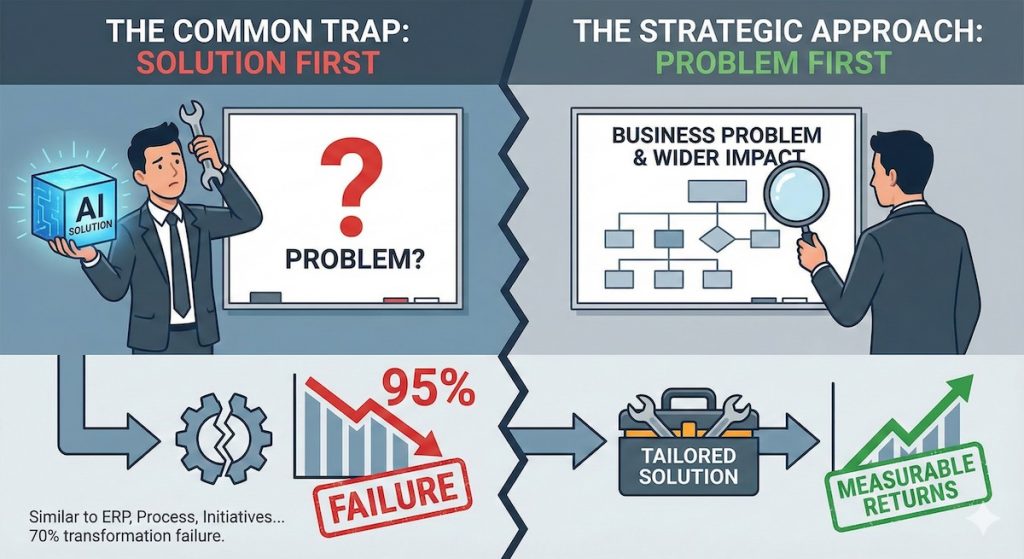
The good news is that by using methodologies like Customer Journey Mapping, you can significantly improve your odds. It is a diagnostic tool that shows you exactly where your customer experience breaks down, from their perspective, not yours. Then you can fix what actually matters, whether that’s with technology, process changes, better communication, or a combination of all three.
What is Customer Journey Mapping?
It’s a visual representation of every interaction your customers have with your business, showing not just what they do, but what they’re thinking, feeling, and experiencing at each stage.
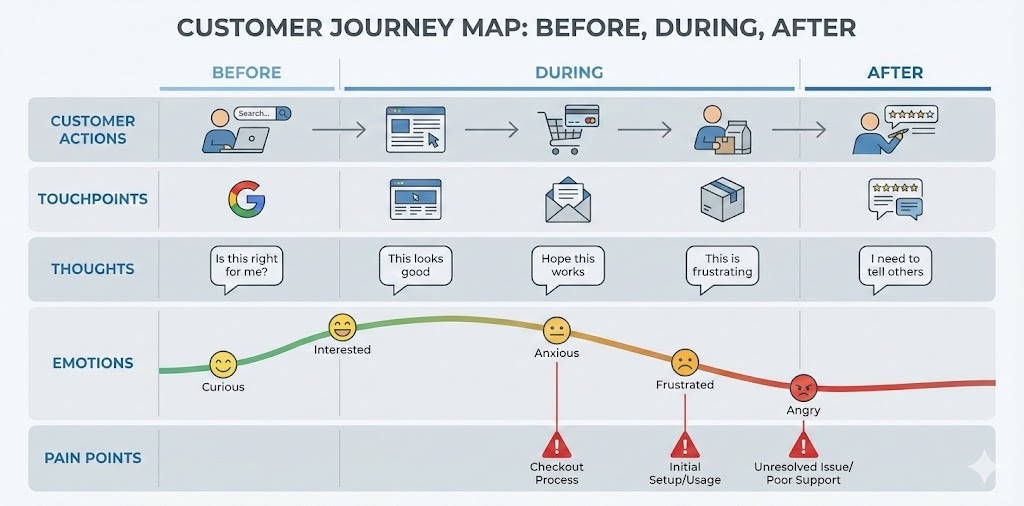
Unlike internal process maps that show how you think things work, journey mapping reveals what customers actually experience, and the gap between these two views is where your biggest opportunities lie.
Businesses using Customer Journey Mapping on average see
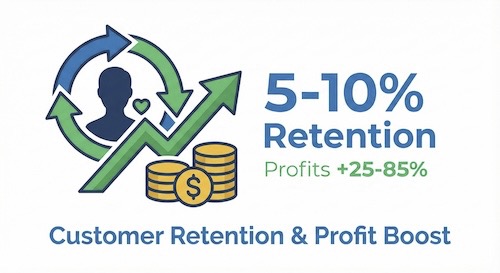
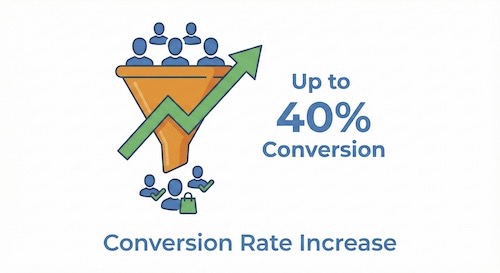
The businesses that identify problems first, then apply the right solutions, see measurable returns. Those that chase the latest technology or copy competitors waste resources and see no improvement. Read on and I will go through how I used this approach within Airbus group to save over €7m Euros a year.
Why Customer Journey Mapping works
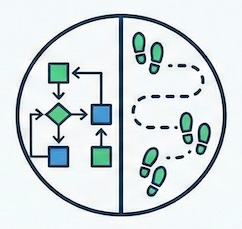
Your internal process maps show what should happen. Customer Journey Mapping reveals what actually happens.
The gap exists because
You know too much about your business. You can’t imagine what it’s like to be a customer encountering you for the first time. Every step they have to go through has a logical explanation from an internal perspective.

Your customers don’t know any of this. They don’t know why things take time. They don’t understand your internal handoffs. When they hear nothing for three days, they assume you’ve forgotten them, even if you’re working flat out behind the scenes.
These are the gaps that impact customer loyalty, revenue, and reputation
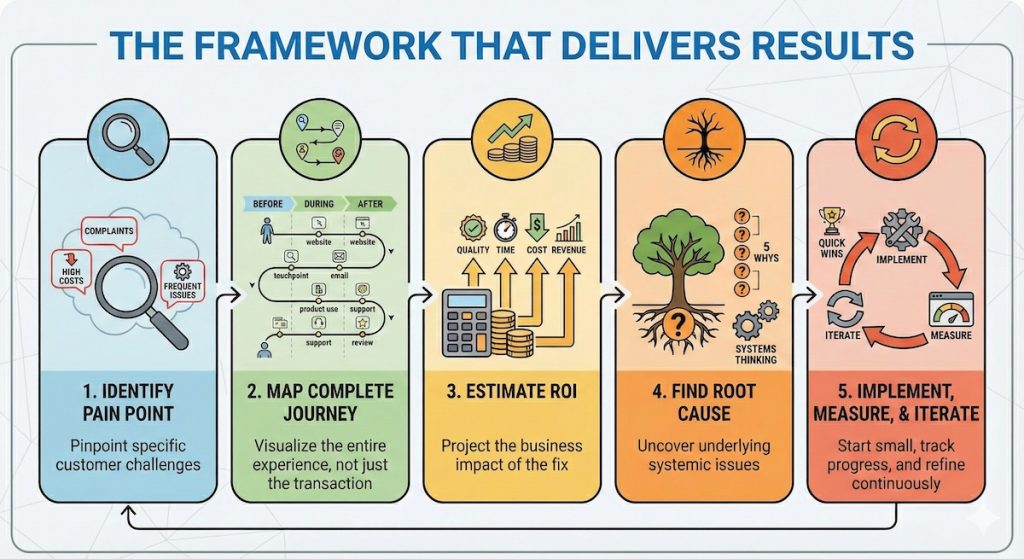
The Customer Journey Mapping Framework
You can follow a simple 5-step process to identify the problems worth solving,
Quick example, the local opticians
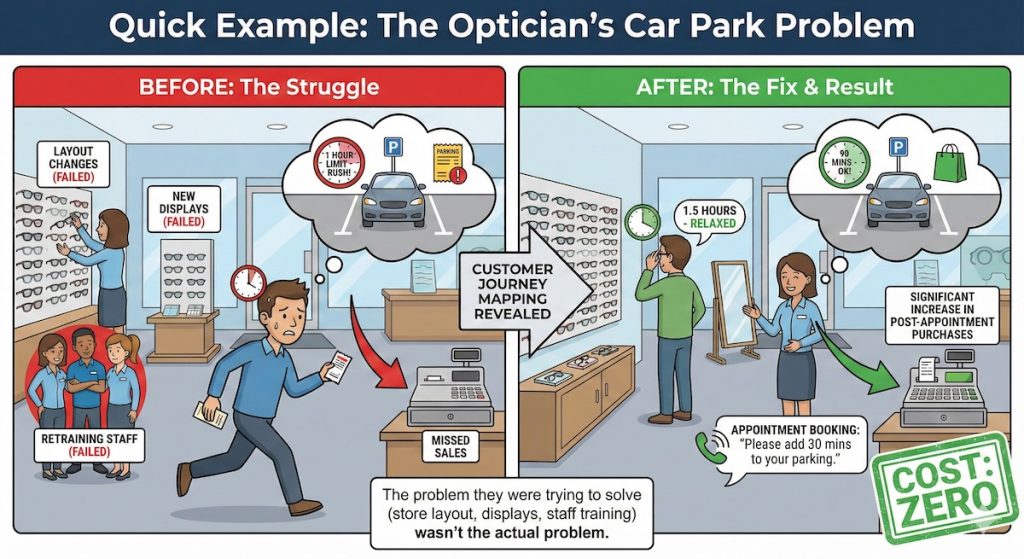
While working with a local opticians, one of the challenges we identified was that it was hard to get clients to stay and browse products after appointments. They tried changing store layouts, adding displays, etc, but it didn’t make a difference.
Customer Journey Mapping revealed: Patients had only one hour of free parking. They weren’t disinterested in browsing, they were just rushing back to their cars to avoid a parking ticket.
The fix: Patients were notified that they should add 30 minutes to the free parking to make sure there was time for the full examination and to meet with the dispenser.
Cost: Zero
Result: Significant increase in post-appointment purchases
The problem they were trying to solve (store layout, displays, staff training) wasn’t the actual problem.
Customer Journey Mapping Works because
You stop making assumptions and start using evidence
Instead of guessing what customers want or copying what competitors do, you map what’s actually happening. You discover the real pain points, the moments where customers get frustrated or confused, and the stages where you’re losing them.
You identify problems before they become expensive
A business recently discovered through journey mapping that customers were posting about product issues on social media before even contacting their support team. By the time they knew about problems, the damage was already done. Journey mapping helped them spot this gap and implement AI monitoring to catch issues early.
You find the high-impact improvements that are easy to fix
Not all problems require massive investment. Sometimes the biggest impact comes from simple changes like adding progress update emails, clarifying confusing instructions, or creating a FAQ for common questions. Journey mapping helps you spot these quick wins.
You align your team around what actually matters
When everyone from sales to support to operations can see the complete customer journey, they understand how their work fits into the bigger picture. This shared understanding turns customer experience from a buzzword into something your business actually delivers.
Customer Journey Mapping vs other approaches
| Approach | Focus | Best for | Limitations |
|---|---|---|---|
| Process Mapping | Internal workflows and procedures | Operational efficiency | Ignores customer emotions and external touchpoints |
| User Story Mapping | Feature development priorities | Software/product development | Limited to specific product features, not full journey |
| Service Blueprinting | Internal processes supporting customer experience | Service design and staff training | Complex, requires significant resources |
| Customer Satisfaction Surveys | Point-in-time feedback | Measuring specific interactions | Doesn’t show the full journey or root causes |
| Analytics/Data Analysis | What customers do | Understanding behaviour patterns | Doesn’t explain why or what customers feel |
| Customer Journey Mapping | Complete end-to-end customer experience | Finding problems to fix, aligning teams, driving improvements | Requires ongoing maintenance and commitment |
Work With The Value Alchemists
The Value Alchemists specialise in helping businesses transform their approach to customer experience through Customer Journey Mapping. We combine journey mapping with value-based thinking to help you stop firefighting problems and start preventing them.
Whether you need:
- A half-day workshop to get started
- Ongoing support to embed journey mapping as a practice
- Help identifying AI opportunities in your customer journey
We can help.
No obligation. Just a conversation about your specific situation and how customer journey mapping could help your business.